When “Empty” Isn’t Clean: The Ongoing Risks of Former Pesticide Facilities.

Soil Sampling
12/11/2025
Soil Monitoring Starts Here: From Local Risk to European Priorities
18/03/2026Even after obsolete pesticides are removed, former storage facilities remain a hidden danger!
Many sites across Bulgaria and beyond still hold risks long after cleanup:
Post-removal storage facilities — Warehouses, depots, and old sites where pesticides were once stored are often left behind after disposal programs.
They are still dangerous — Residual contamination lingers in soil, walls, and surroundings from past leaks, spills, or degradation.
These persistent residues (e.g., organochlorines) can leach into groundwater, affect crops, wildlife, and human health for years — even decades.
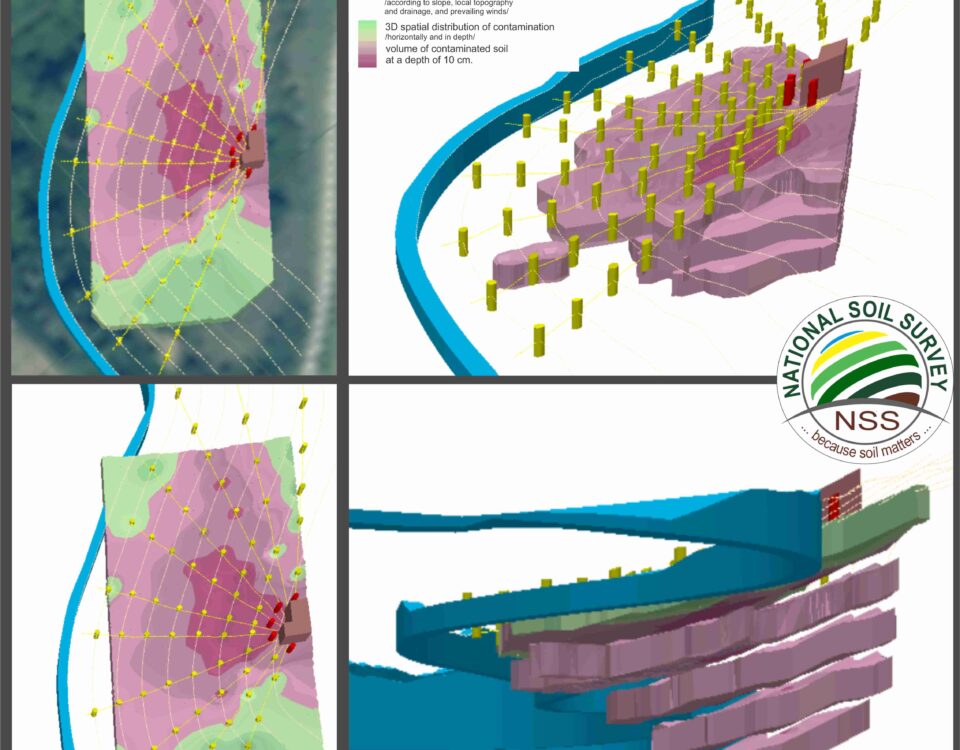
Monitoring of these facilities — Systematic checks are essential: build a soil monitoring grid/network with targeted sampling points, depth profiles, and regular lab analysis to detect migration early.
Need for ongoing post-monitoring and risk assessment — Establish baseline data after removal, then track trends quarterly to annually. Assess contamination volume/extent, calculate risks, and trigger remediation if needed — preventing wider pollution and ensuring regulatory compliance & site safety.
Proactive soil monitoring turns potential crises into managed, low-risk sites. Early detection = faster, cheaper fixes + real protection for people and nature.